

Plot twist - all stories are the same, but not really, but they kind of are, but not really
- Nov 22, 2020
- 3 min read
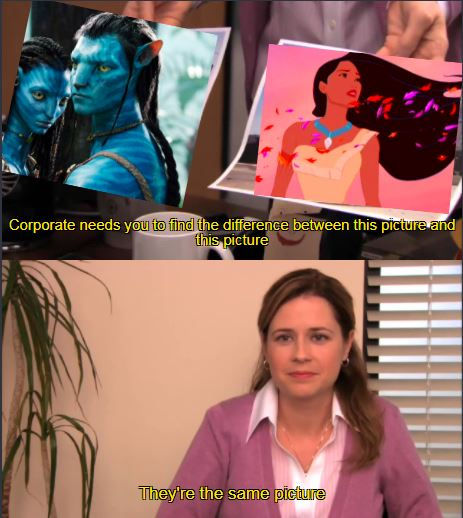
First, let's get this out of the way.
It's pretty much impossible to come up with an original story structure and have it come out somewhat decent now. That's why all stories will follow a pre-established structure from centuries ago.
Even though these structures are seem to be older than North America, the best stories always, in one way or another, follow them. They never get old. You'd think that people would get tired of hearing the same types of stories over and over.
That's why there are multiple types of structures that give the author some room to work with. A Cinderella story can quickly turn into a dark tragedy. Maybe the character is just so, so close to defeating the big, bad villain - and then he gets killed. Or maybe the villain just turns out to be the hero's father.

The possibility of a change - in this case a major plot twist - can keep an audience on its heels. It's not as though the author is limited to one type of story structure as soon as he puts the first word on paper. As long as the plot can fit multiple structures (which it usually does), the author can pull the rug and flip the script on its heels. This is why plot twists can always happen. Now, don't go looking for twists every time you pick up a book or go to a movie theater, but be aware it's always a possibility. There's just enough overlap between structures to allow a rags to riches story to come tumbling down when the protagonist reaches his peak.
A good author might lull you into a sense of security with where the plot is going, then drop the atomic bomb (like in the case of the unknown father above). Another possibility is the author will foreshadow the possibility of a plot twist (or some kind of plot change), keeping you on the edge of your seat for the entire rising action as you wait for what the outcome will be at the climax. Authors can then just pick whichever outcome they want, seeing as they've built up the possibility of every outcome to be relatively realistic anyway. Or the author can just keep things as they are, making you think that there is going to be a change and then not changing anything. There are other possibilities that I can't think of, but you kind of get the idea here. Things can change anytime, which makes it a little more fun for the audience.
These plot changes (obviously aren't always successful. It usually reflects in the Rotten Tomatoes rating the movie receives after it releases (for movies and TV shows only). That's what sets good stories apart. Good stories will make sure that nothing comes out of the blue (or at least provide an explanation in the story afterwards) while still providing that shock factor. How else would Thanos' victory at the end of Avengers: Infinity War have any emotional effect? You expect the heroes to prevail, and they do eventually - just not in this movie (if you're still complaining about Avengers: Endgame spoilers at this point, you've had a year and a half to watch the movie - this one's on you). Building good characters that audiences like helps too - it adds so much emotional boom when something happens. Good stories will do that. Bad stories won't.
It comes down to the author on these things, but the possibility of a change allows a writer to use the same plot structures to try and create the next great story.


Comments